

Belgium remains a critical hub for international talent, yet navigating the legal landscape for foreign workers is notoriously complex. According to recent data from the Federal Public Service Economy, the Belgian labor market faces significant shortages in specialized sectors, driving a 15% increase in single permit applications in recent years. This guide provides a definitive roadmap for employers seeking to hire international talent, covering the Single Permit process, EU Blue Card requirements, and critical compliance obligations under Belgian labor law. (Contact Avocat en droit)
Understanding the Single Permit Process
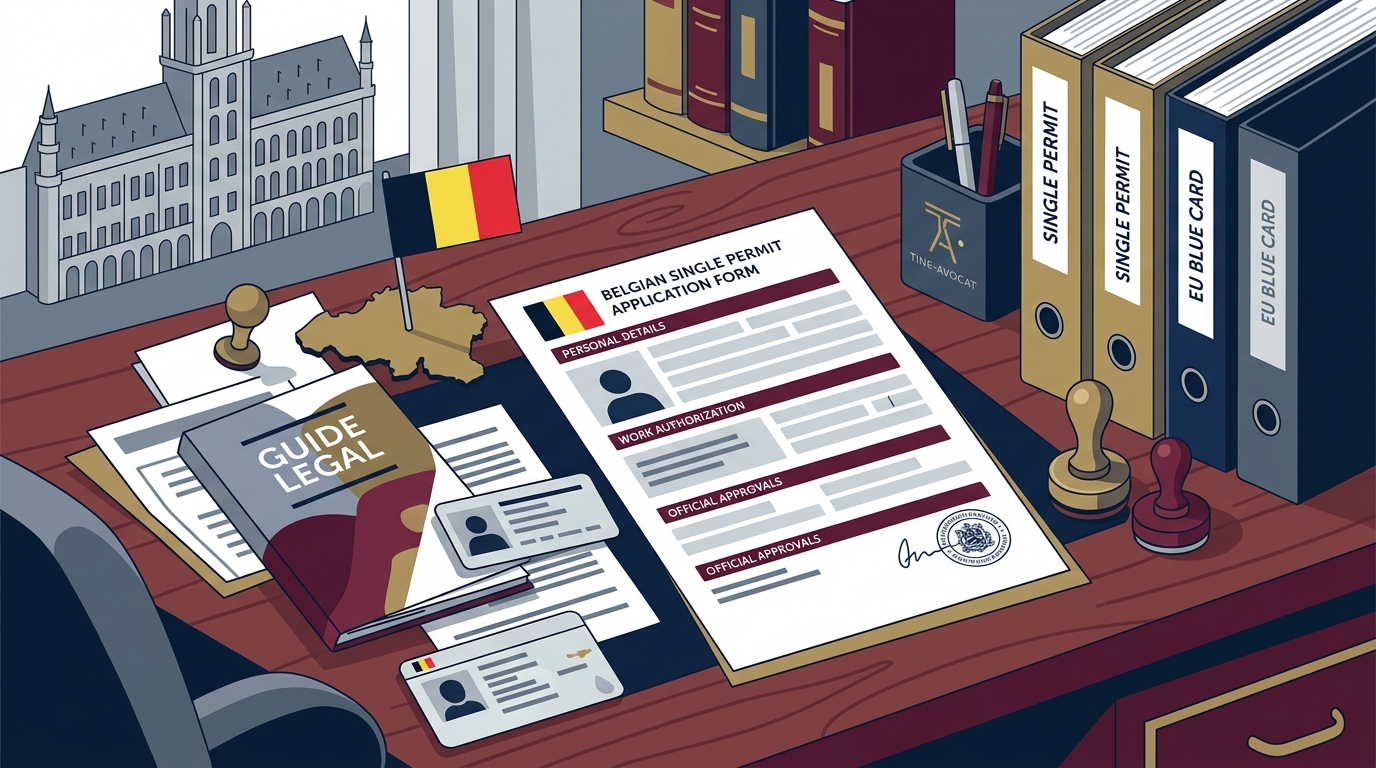
The Single Permit (Permis Unique) is the cornerstone of Belgian employment immigration for non-EU/EEA nationals. It combines the work authorization and the temporary residence permit into one administrative procedure. This streamlined approach is managed by the regional employment agencies, meaning the process varies significantly depending on where the employee will be based. (Blog d 039 information)
For employers, the Single Permit is not merely a formality but a strategic tool for talent acquisition. The process requires the employer to demonstrate that no suitable candidate from the EU labor market is available for the position. This labor market test is rigorous and demands precise documentation. The Single Permit is the primary legal vehicle for hiring non-EU workers in Belgium.
The application must be submitted by the employer to the relevant regional authority. In Brussels, this is the Brussels Regional Employment Agency (FOREM/VDAB equivalent for the region). The processing time can vary, but employers must plan for a timeline that accounts for administrative reviews. Failure to secure this permit before the employee begins work constitutes a severe violation of Belgian immigration law, resulting in heavy fines and potential blacklisting of the company.
Maître Nafissatou Tine, an expert in labor law and immigration, emphasizes that the initial application must include a detailed job description, proof of the candidate's qualifications, and evidence of the labor market test. The complexity of these requirements often necessitates professional legal support to ensure accuracy and avoid delays.
EU Blue Card Eligibility and Benefits
The EU Blue Card is a specialized residence permit designed to attract highly qualified non-EU nationals. It offers a faster, more harmonized process compared to the standard Single Permit, particularly for roles requiring advanced academic degrees. This permit is governed by Directive 2021/1883, which aims to make Europe more attractive to global talent.
To qualify for the EU Blue Card in Belgium, the applicant must possess a higher education degree lasting at least three years. Additionally, the gross annual salary must meet or exceed a specific threshold, which is typically 1.5 times the average gross annual salary in Belgium. This high salary requirement ensures that the permit is reserved for top-tier professionals.
One of the most significant advantages of the EU Blue Card is the mobility it offers. After 18 months of legal residence in Belgium, Blue Card holders can move to another EU member state for highly qualified employment, subject to certain conditions. This flexibility is a powerful incentive for international candidates considering a career in Belgium.
Employers must verify that the candidate's salary and qualifications strictly meet the Blue Card criteria. The application process is handled through the same regional channels as the Single Permit, but the documentation requirements are more focused on academic and professional credentials. For detailed guidance on salary thresholds and degree recognition, consult the European Commission's Blue Card page.
Regional Differences: Flanders vs. Wallonia
Belgium's federal structure means that immigration and employment policies are largely decentralized. The three regions—Flanders, Wallonia, and Brussels-Capital—have their own employment agencies and specific procedural nuances. Understanding these differences is critical for multi-regional employers.
In Flanders, the Flemish Employment Agency (VDAB) oversees the Single Permit process. Flanders has implemented stricter labor market tests, prioritizing local talent unless the employer can prove a specific shortage of skills. The digital application portal in Flanders is highly advanced, allowing for real-time tracking of applications.
In Wallonia, the regional employment agency (ACTIRIS equivalent) manages the permits. The processing times and documentation requirements may differ slightly from Flanders. Employers must ensure that their applications comply with the specific regional guidelines, as errors can lead to rejection or delays.
Brussels-Capital Region has its own set of rules, often balancing the needs of a diverse, international workforce with local labor market protections. The Brussels Regional Employment Agency handles applications for companies based in the capital. For insights into regional labor market trends, refer to the Belgian Federal Employment Service.
Compliance and Social Security Obligations
Securing a work permit is only the first step. Employers must also ensure full compliance with Belgian social security and tax regulations. Non-compliance can result in severe penalties, including back payments of social security contributions and substantial fines.
Foreign employees are subject to Belgian social security contributions once they are employed in Belgium. The employer is responsible for withholding these contributions and remitting them to the relevant social security office (ONSS). The ONSS oversees the collection of social security contributions for employees in Belgium.
Tax obligations are equally complex. Non-resident employees may be subject to specific tax regimes, such as the 75% tax exemption for cross-border workers or the expatriate tax regime for highly skilled migrants. These regimes can significantly reduce the tax burden for the employee, making the job offer more attractive.
Employers must also adhere to data protection laws, particularly the General Data Protection Regulation (GDPR). Handling personal data of foreign employees requires strict adherence to GDPR principles, including data minimization and secure storage. For guidance on GDPR compliance in employment contexts, visit the GDPR official resource page.
Common Challenges in Hiring Foreign Talent
Employers often face several hurdles when hiring international talent. These challenges can delay the hiring process and increase costs if not managed proactively.
- Labor Market Tests: Proving that no EU candidate is available can be time-consuming and requires robust documentation.
- Recognition of Qualifications: Foreign degrees and professional qualifications may need to be recognized by Belgian authorities, a process that can take months.
- Administrative Delays: Regional agencies may experience backlogs, leading to longer processing times for permits.
- Integration Support: Foreign employees may need assistance with housing, banking, and social integration, which can impact their productivity and retention.
Addressing these challenges requires a strategic approach. Employers should engage with legal experts early in the hiring process to anticipate potential issues. Maîtresse Tine Avocat provides specialized support in navigating these complexities, ensuring a smooth transition for both the employer and the employee.
Key Takeaways
- The Single Permit combines work and residence authorization for non-EU nationals, managed by regional agencies.
- The EU Blue Card is available for highly qualified workers with a salary threshold of 1.5 times the national average.
- Regional differences in Flanders, Wallonia, and Brussels require tailored application strategies.
- Employers are responsible for social security contributions and tax withholdings for foreign employees.
- GDPR compliance is mandatory for handling employee data, including immigration documents.
- Professional legal assistance can significantly reduce processing times and avoid compliance risks.
- Belgium's labor market shortages create opportunities for employers who can navigate the immigration system effectively.
Frequently Asked Questions
How long does the Single Permit process take?
The processing time for the Single Permit varies by region but typically takes between 2 to 4 months. Employers should apply well in advance of the intended start date to avoid delays.
Can I hire a non-EU worker without a Single Permit?
No, it is illegal to employ a non-EU national in Belgium without a valid work permit. The Single Permit or EU Blue Card is mandatory for legal employment.
What is the salary threshold for the EU Blue Card?
The salary threshold is set at 1.5 times the average gross annual salary in Belgium. This threshold is updated annually and must be met at the time of application.
Do I need to recognize foreign degrees?
Yes, foreign academic and professional qualifications often need to be recognized by the relevant Belgian authority to prove the candidate's eligibility for the role.
Are there tax benefits for expatriates?
Yes, Belgium offers specific tax regimes for expatriates, including a 75% tax exemption for cross-border workers and a reduced tax rate for highly skilled migrants, subject to specific conditions.
How do I handle social security for foreign employees?
Employers must register foreign employees with the ONSS and pay social security contributions. The employee's home country may have a social security agreement with Belgium that affects contributions.
What is the role of the regional employment agencies?
Regional agencies like VDAB, FOREM, and ACTIRIS are responsible for processing work permit applications and conducting labor market tests to protect local employment.
Secure Your Compliance Today
Navigating the complexities of employment immigration in Belgium requires precision, expertise, and a deep understanding of regional regulations. Whether you are hiring a single executive or building a global team, ensuring compliance is essential for your business's success.
Maître Nafissatou Tine offers specialized legal services in labor law and immigration, helping employers and employees navigate the Belgian legal landscape with confidence. From drafting employment contracts to managing social security compliance, we provide tailored solutions to meet your needs.
Book a consultation today to discuss your hiring strategy and ensure your international recruitment process is seamless and compliant.